Owning a home is expensive enough without surprise repairs showing up at the worst possible time. A loose piece of exterior material, a strange noise from a cooling system, a small stain near the ceiling, or a cracked surface near a wet area may not seem urgent at first. But homes rarely fix themselves. Small problems usually get worse quietly, then become expensive once they spread into framing, wiring, insulation, flooring, or other hidden areas.
Preventive home care is not about being obsessive. It is about paying attention before damage becomes disruptive. A homeowner who checks key areas a few times a year can often avoid emergency calls, protect comfort, and stretch the life of expensive systems. The goal is simple: spend a little time and money on maintenance now so the home does not demand far more later.
Spot Small Moisture Problems Before They Spread

Water is one of the most expensive forces a homeowner can ignore. It can slip through hairline cracks, settle behind walls, loosen surfaces, stain ceilings, and create hidden damage long before anything looks dramatic. That is why regular visual checks matter, especially in areas where water is already part of daily life.
Start with the places people often walk past without really looking. Around bathrooms, kitchens, laundry areas, outdoor patios, and swimming areas, check for soft spots, uneven surfaces, musty smells, or discoloration. Damaged tiles may look like a surface issue, but they can also point to water getting beneath the finished layer. Once moisture reaches the backing material or subfloor, the repair can become much more involved.
The same thinking applies outdoors. A small leak around a swimming area can waste water, raise utility costs, and damage nearby surfaces. Scheduling pool repair early is usually far less expensive than waiting until cracks, leaks, or equipment issues grow into a larger project. Homeowners should watch for water loss, stains, unusual pump noises, or loose coping around the pool edge.
A practical habit is to do a slow walk-through after heavy rain or a weekend of heavy household use. Look at corners, baseboards, grout lines, exterior walls, and outdoor hardscapes. The goal is not to diagnose every issue. It is to notice changes early enough to act.
Improve Cooling Efficiency Before Bills Climb
Energy costs often rise gradually, so homeowners may not notice the problem until a bill feels unusually high. Cooling systems are a common reason. When equipment works harder than it should, the home may still feel comfortable for a while, but the system is using more energy to get there.
Regular ac maintenance helps prevent that slow decline. Replacing filters, cleaning around outdoor equipment, checking airflow, and scheduling seasonal tune-ups can reduce strain on the system. A neglected unit may run longer, cool unevenly, or struggle during extreme heat. Over time, that extra strain can shorten equipment life and increase the chance of a breakdown.
Homeowners should pay attention to small changes, such as:
- Rooms that no longer cool evenly
- A system that cycles on and off too often
- Weak airflow from vents
- Unusual sounds during startup
- Higher bills without a clear reason
In some homes, comfort problems come from layout rather than equipment failure. A finished garage, sunroom, addition, or upstairs bedroom may not get enough airflow from the main system. In those cases, mini split installation can sometimes solve a targeted comfort issue without forcing the main system to work beyond its limits.
The best savings come from matching the fix to the actual problem. Sometimes that means cleaning and tuning the current system. Sometimes it means sealing air leaks or improving insulation. And sometimes it means adding a more efficient solution for a specific area of the home.
Fix Exterior Wear Before Weather Gets In
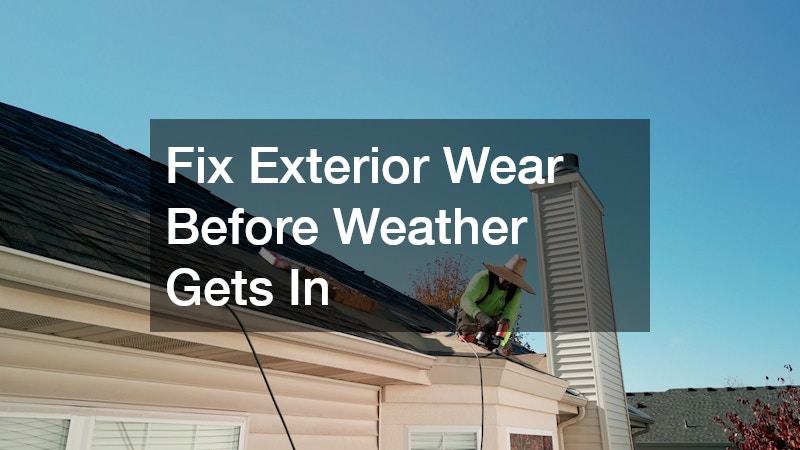
The outside of a home takes constant abuse from sun, wind, rain, temperature swings, and debris. Small exterior defects can look cosmetic at first, but they often become pathways for moisture. Once water gets behind protective materials, repair costs can increase quickly.
Residential siding repair is a good example. A cracked panel, loose board, or gap near a seam may not seem like an emergency. But if wind-driven rain gets behind it, the wall assembly can start to absorb moisture. That may affect sheathing, insulation, or framing. The longer the problem sits, the harder it can be to keep the repair small.
The same is true for roof repairs. A missing shingle, lifted flashing, cracked seal, or small leak around a vent can lead to ceiling stains, attic moisture, and damaged insulation. Many roof issues are easier to address when found early, especially after storms or heavy seasonal weather.
A simple exterior check should include:
- Walking the perimeter after major storms
- Looking for loose, cracked, or missing materials
- Checking around windows, doors, vents, and trim
- Watching for stains under overhangs or along walls
- Looking inside the attic for damp insulation or daylight
Homeowners do not need to climb onto a roof to be proactive. In fact, they usually should not. A pair of binoculars, a careful walk around the home, and attention to interior warning signs can reveal plenty. When something looks off, getting it inspected early is often the most cost-effective move.
Check Hidden Safety Risks Before They Become Emergencies
Some home problems are visible right away. Others stay hidden until they become dangerous. Fireplaces, flues, wiring, outlets, and panels fall into that second category. They may seem fine because they are not used every day, but that does not mean they are problem-free.
Chimney repair should not be delayed when there are signs of cracking, leaning, loose masonry, water stains, or smoke drafting problems. A chimney is exposed to weather all year, even if the fireplace is only used in colder months. Moisture can enter small cracks, freeze, expand, and make the damage worse. Inside the flue, buildup or deterioration can create safety concerns that homeowners may not see from the ground.
Electrical issues deserve the same respect. Calling an electrician may feel unnecessary for a flickering light or warm outlet, but those signs can point to overloaded circuits, loose connections, or aging components. Electrical problems are not the place to guess. A safe home depends on systems working properly behind the walls.
A homeowner can reduce risk by paying attention to these warning signs:
- Breakers that trip repeatedly
- Buzzing near switches or outlets
- Lights that dim when appliances start
- Burning smells or discolored outlets
- Crumbling masonry or staining near the fireplace
- Smoke entering the room instead of drafting upward
Preventive care in these areas is partly about saving money, but it is also about protecting people. Repairs tied to safety systems should be handled with care, not postponed until the next season.
Preserve Outdoor Surfaces Through Regular Upkeep
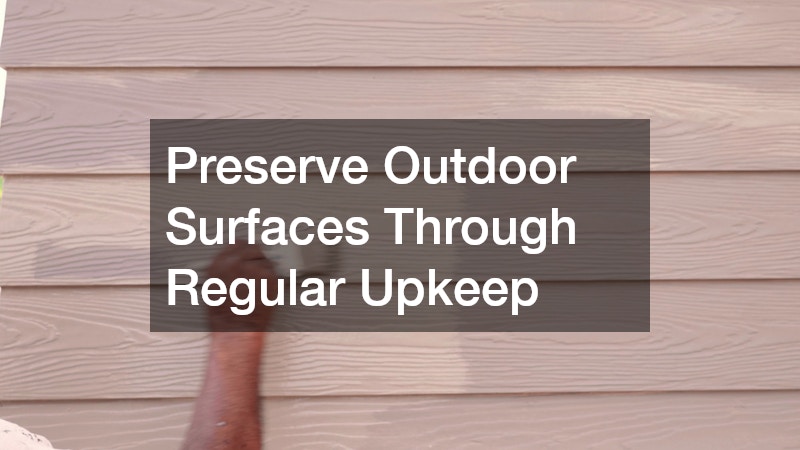
Outdoor surfaces age slowly, then suddenly. A driveway may look fine for years before cracks widen, edges crumble, or drainage problems appear. Walkways can shift. Pool decks can settle. Patios can stain or loosen. The best time to care for these surfaces is before they need replacement.
Asphalt pavers can last longer when homeowners manage drainage, remove weeds from joints, clean stains early, and address uneven sections before they spread. Water is often the hidden cause behind surface failure. If runoff flows toward the wrong area or settles near the edge, it can undermine the base and create movement.
The same mindset applies near pools. A small surface flaw around a wet area can become a trip hazard or allow water to reach places it should not. Timely pool repair can help protect the surrounding area as well as the pool itself. It is not only about appearance. It is about preventing water waste, surface damage, and safety issues.
A good outdoor maintenance rhythm is seasonal rather than constant. In spring, clean and inspect. In summer, watch for heat-related expansion, heavy use, and drainage after storms. In fall, remove leaves and organic debris before they trap moisture. In winter, avoid harsh products that may damage surfaces or worsen cracks.
Homeowners often underestimate how much routine cleaning helps. Dirt, leaves, weeds, and standing water all contribute to deterioration. Keeping surfaces clear gives homeowners a better chance of spotting early damage and protecting the investment already made in outdoor spaces.
Use Seasonal Checkups to Avoid Last-Minute Repairs
Emergency repairs often happen because maintenance was delayed until the system was under stress. Cooling equipment fails during the hottest week of the year. Fireplace problems show up on the first cold night. Exterior leaks appear during a storm. A seasonal checkup routine helps homeowners stay ahead of that pattern.
In spring, focus on recovery from winter. Look for exterior cracks, drainage issues, damaged caulk, and signs of moisture. Test outdoor fixtures and inspect areas that were covered by snow, leaves, or debris. This is also a good time to prepare cooling equipment before temperatures rise.
In summer, listen carefully to the cooling system. If it runs constantly, cools unevenly, or makes new noises, do not wait for complete failure. Early ac repair may prevent a more expensive breakdown during peak demand. Summer is also a smart time to inspect shaded exterior areas where moisture may linger.
In fall, shift attention to heating and fire-related systems. This is a practical time to look into chimney repair before regular fireplace use begins. Waiting until cold weather often means busier schedules and less flexibility.
In winter, focus on observation. Watch for drafts, ceiling stains, ice buildup, tripped breakers, and areas where indoor comfort suddenly changes. Winter can reveal weaknesses that were easy to miss in milder weather.
The most useful maintenance schedule is the one a homeowner will actually follow. It does not need to be complicated. A basic calendar reminder every three months can make a real difference. Keep notes, take photos, and save receipts. Over time, those records help identify recurring issues and make it easier to explain problems to professionals.
Decide When Professional Help Costs Less Than Guesswork

DIY maintenance has its place. Homeowners can replace filters, clean vents, clear debris, check caulk, tighten simple hardware, and monitor visible wear. These small actions matter. They build familiarity with the home and make it easier to spot changes.
But some repairs are not worth guessing through. Electrical work, cooling system failures, structural exterior damage, and persistent leaks can become more expensive when handled incorrectly. A homeowner may save a little upfront, only to pay more later when the original issue is still there and new damage has been added.
Calling an electrician is wise when there are repeated breaker trips, warm outlets, flickering lights, or plans for new high-demand appliances. Those situations require more than a quick online tutorial. They require an understanding of load, wiring condition, code requirements, and safety.
The same is true for ac repair when the issue goes beyond a dirty filter or blocked outdoor unit. Refrigerant problems, electrical components, failing motors, and airflow imbalances need proper diagnosis. Replacing random parts can waste money and delay the real fix.
A good rule is to ask three questions before taking on a repair:
- Could this issue create a safety risk?
- Could a mistake cause hidden damage?
- Could the repair require specialized tools or licensing?
When the answer is yes, professional help is usually the cheaper long-term option. Preventive care does not mean doing everything alone. It means knowing which tasks protect the home and which ones require trained eyes.
Build a Yearly Budget That Supports Small Repairs
Preventive care works best when homeowners plan for it financially. Without a home maintenance budget, even small repairs can feel like interruptions. That makes it tempting to postpone them. Unfortunately, postponement is often what turns manageable costs into major ones.
A yearly budget does not need to be perfect. It just needs to create room for inspections, tune-ups, minor repairs, cleaning, and replacement of worn parts. Some homeowners set aside a small amount each month. Others plan seasonal spending around spring and fall checkups. Either approach is better than waiting for something to fail.
It also helps to separate cosmetic wants from protective needs. A homeowner may want to repaint a room or update fixtures, but a roof leak, damaged exterior surface, unsafe outlet, or failing cooling system should take priority. Preventive care protects the structure and function of the home first.
Think of the home as a collection of systems that age at different speeds. The exterior protects against weather. Mechanical systems control comfort. Surfaces handle daily wear. Safety systems reduce risk. When each area receives basic attention throughout the year, the home becomes less likely to produce expensive surprises.
Keep Small Habits Working All Year
The real savings from preventive home care come from consistency. A single inspection is helpful, but repeated attention is what catches patterns. The homeowner who notices a small stain before it spreads, a noise before a breakdown, or a crack before water enters is usually the one who spends less over time.
The best approach is simple and realistic. Walk the property after storms. Listen when equipment sounds different. Look at surfaces that handle water. Keep outdoor areas clean. Schedule seasonal checks before busy weather arrives. Save records, photos, and repair notes so decisions are based on history rather than memory.
A well-maintained home is not one that never has problems. Every home needs repair eventually. The difference is timing. Preventive care gives homeowners more control over when repairs happen, how much they cost, and how much damage they prevent. Over a full year, that control can protect both the property and the budget.